
Darina Chesheva: You came to freediving from a swimming background. When did you realize freediving was becoming more than just a hobby and could evolve into a serious athletic pursuit?
Mirela Kardasevic: Swimming taught me discipline and gave me a feel for the water from an early age. But before I discovered freediving, I had actually spent nine years away from sport. I never imagined I’d return to elite competition, let alone compete at the highest level.

Freediving introduced me to something completely different. It wasn’t only about physical performance, it was about learning to be comfortable in stillness, understanding my body, and developing a completely new mental approach.
I realized it could become more than a hobby when I started seeing consistent progress, not only in my performances but also in my mindset. Every competition showed me that my limits were much further away than I had imagined. That realization made me curious to see how far I could truly go, and that’s when freediving became much more than just another sport.
Darina Chesheva: Looking back at your first years in the sport, what was the biggest challenge you had to overcome?
Mirela Kardasevic: The biggest challenge wasn’t physical, it was mental. Like many beginners, I wanted to improve quickly, but freediving doesn’t reward impatience. The harder you try to force progress, the more difficult it becomes.

Learning to trust the process, accept slower progress, and stay calm under pressure changed everything. Once I stopped trying to control every dive, I actually became a better diver. Freediving taught me that sometimes the fastest way forward is to slow down.
Darina Chesheva: You have achieved success in both indoor and outdoor competitions. Do you find one environment more mentally demanding than the other, and what specific adjustments do you make in your training before competitions?
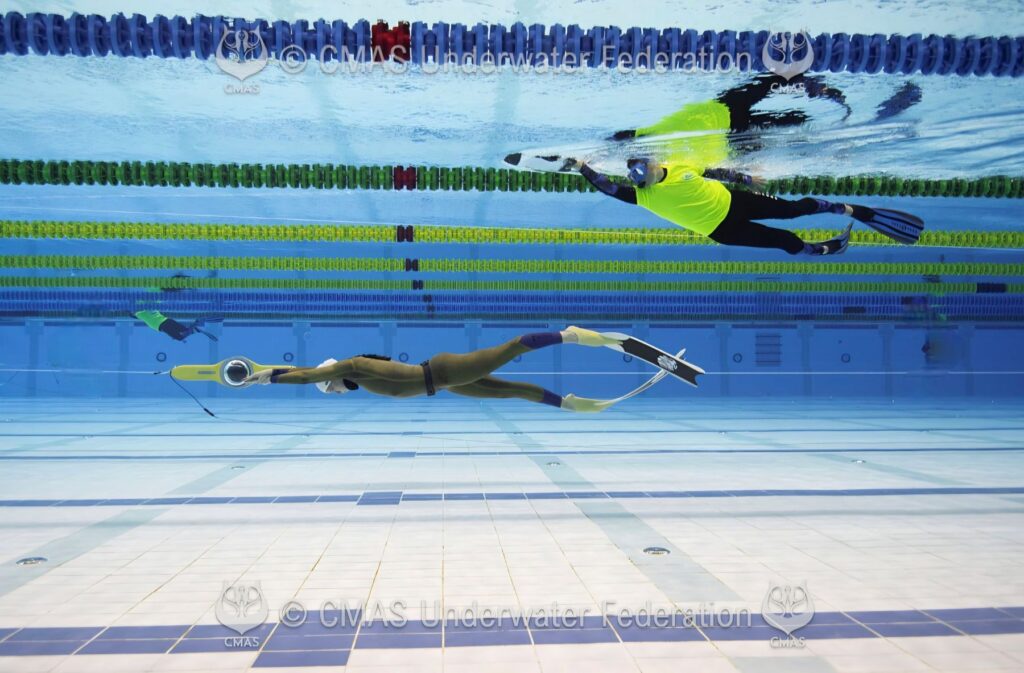
Mirela Kardasevic: Indoor and outdoor competitions challenge you in very different ways. In the pool, everything is predictable, so the focus is entirely on your own execution. There are no excuses, you simply have to perform.

Open water is different because nature always has the final say. Conditions change, and every dive feels unique.
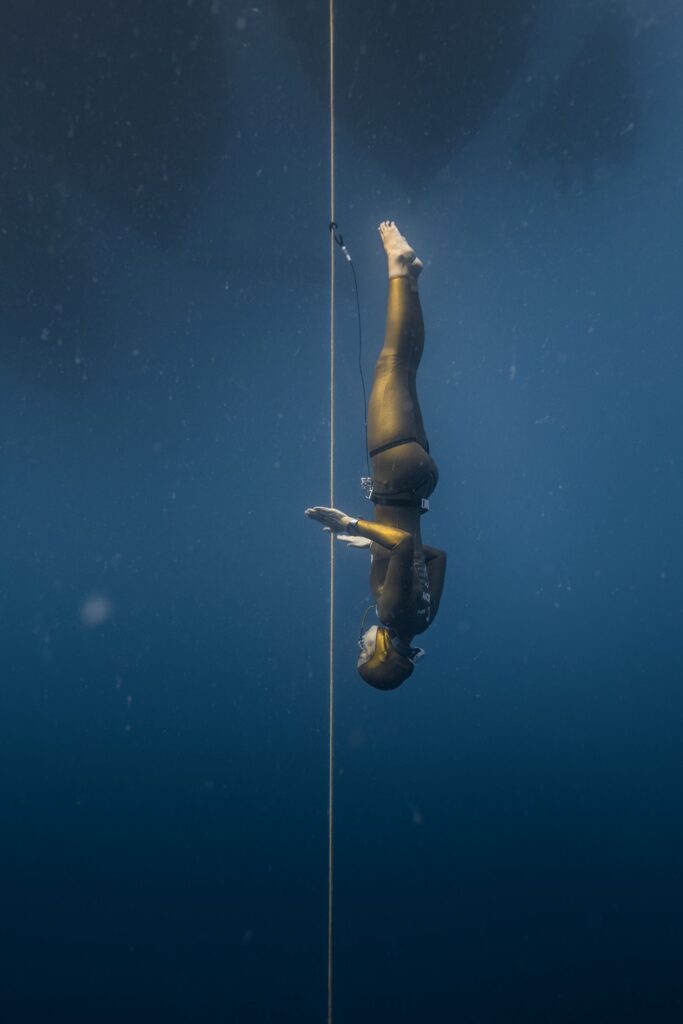
My preparation reflects those differences. Before pool competitions, I focus on precision, efficiency, and consistency. Before depth competitions, I spend much more time adapting to the environment and building confidence in different conditions. In both cases, though, mental preparation is just as important as physical training.
Darina Chesheva: When you compare your training today with your training three or four years ago, what are the biggest changes you’ve made?
Mirela Kardasevic: A few years ago, I believed that more training always meant better results. Today I understand that smarter training is much more valuable than simply training harder. Recovery, sleep, nutrition, and mental preparation have become just as important as time in the water.

I’m balancing elite sport with family life, work, and raising my sons, so every training session has to have a purpose. I don’t have the luxury of wasting energy nor time.
I’ve also become much more patient. I don’t chase great performances every day. Instead, I focus on building consistency, knowing that exceptional performances are usually the result of many ordinary training sessions done well.
Darina Chesheva: Which part of your training do you enjoy the most, and which part do you find the most demanding?
Mirela Kardasevic: My favorite part is still being in the water. No matter how busy life gets, once I dive, everything becomes quiet. That’s one of the reasons I fell in love with freediving in the first place, it’s one of the few moments when nothing else matters except the present moment.
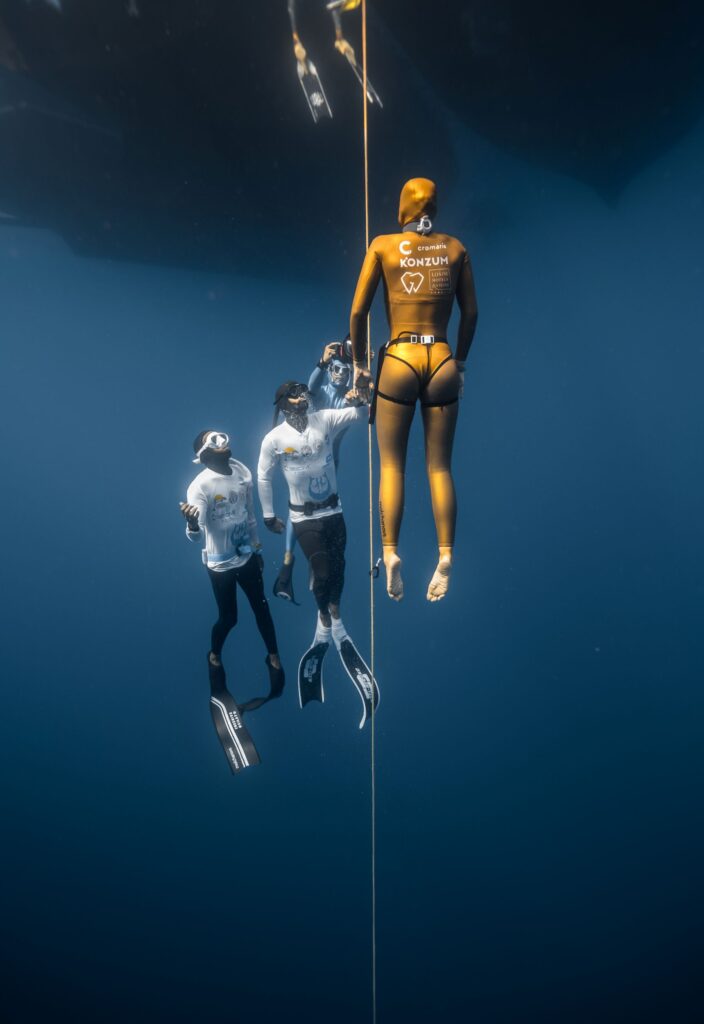
The most demanding part isn’t the hardest training session, it’s finding the consistency to keep showing up. I have a very busy schedule, so most of the time I’m tired, and like everyone else, I don’t wake up feeling motivated every day.
Darina Chesheva: You’ve said that you approach competitions as something enjoyable rather than simply as a pursuit of records. Yet world records require enormous discipline and pressure. How do you manage to keep that sense of enjoyment while pushing yourself to such a high level?
Mirela Kardasevic: For me, records have never been the goal, they’re a consequence of doing hundreds of small things well over a long period of time. If I focused only on the result, I’d lose the reason I fell in love with the sport.
Before every competition, I remind myself how fortunate I am to do what I love. Pressure comes from expectations, but enjoyment comes from being fully present. When I focus on the dive itself instead of the outcome, that’s usually when my best performances happen.
Darina Chesheva: What has freediving taught you about yourself as a person?
Mirela Kardasevic: Freediving has taught me that strength isn’t always about pushing harder. Sometimes strength means staying calm, letting go of control, and trusting yourself.
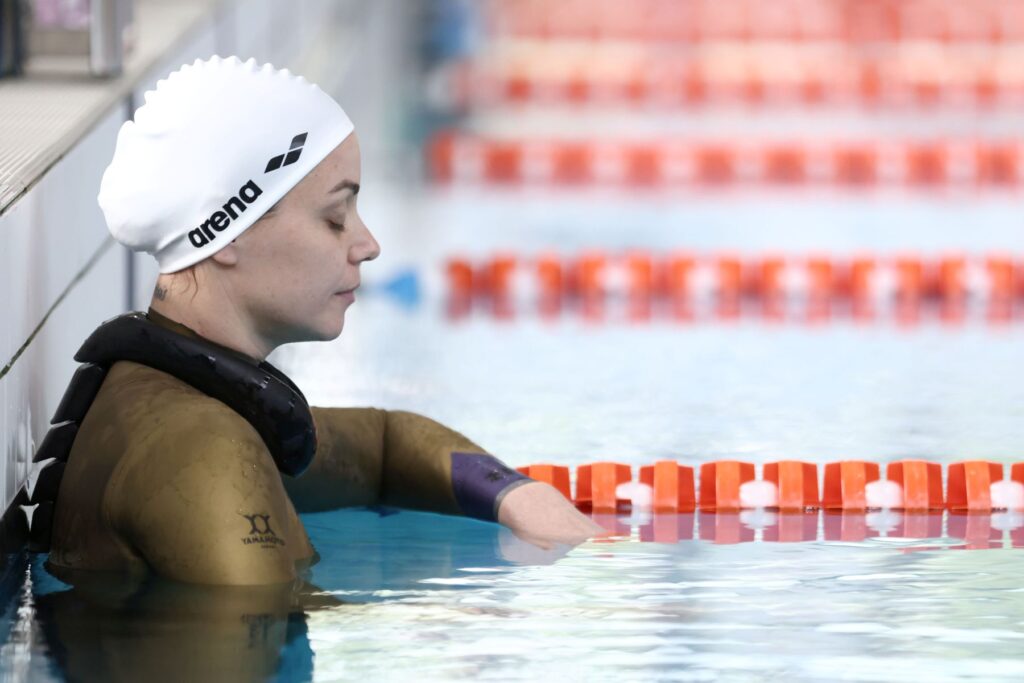
It has also shown me that our limits are often mental long before they’re physical. Every meaningful achievement has come from learning to replace fear with curiosity.
Outside of sport, freediving has made me a more patient person, and hopefully a better example for my sons. I want them to see that success isn’t about talent alone, it’s about commitment, consistency, and enjoying the journey, even when it’s difficult.
Darina Chesheva: What advice would you give to young athletes who dream of competing at the highest international level?
Mirela Kardasevic: Don’t compare your journey to someone else’s. Social media shows the highlights, but success is built during the quiet days that nobody sees.

Find coaches and teammates who challenge you, be patient with your development, and remember why you started. Passion will keep you going much longer than ambition alone.
Darina Chesheva: How do you see freediving evolving in the next decade?
Mirela Kardasevic: I believe freediving has an incredibly bright future. More and more people are discovering that it’s about much more than holding their breath, it’s a sport that teaches self-awareness, emotional control, patience, and respect for nature. Those are qualities that have become increasingly valuable in today’s fast-paced world.
On the competitive side, I think we’ll continue to see performances reach new levels. I also hope we’ll see freediving continue to grow internationally and, one day, become part of the Olympic Games. I truly believe it has everything a modern Olympic sport should represent: incredible athleticism, mental resilience, simplicity, and a unique connection between the human body and the natural world.
But what excites me even more is seeing more people discover freediving simply because it enriches their lives. Whether you’re chasing a world record or taking your very first breath-hold class, the sport teaches you to slow down, be present, and trust yourself.
In a world that constantly demands more speed and more noise, freediving reminds us that sometimes the greatest strength comes from complete calm.