



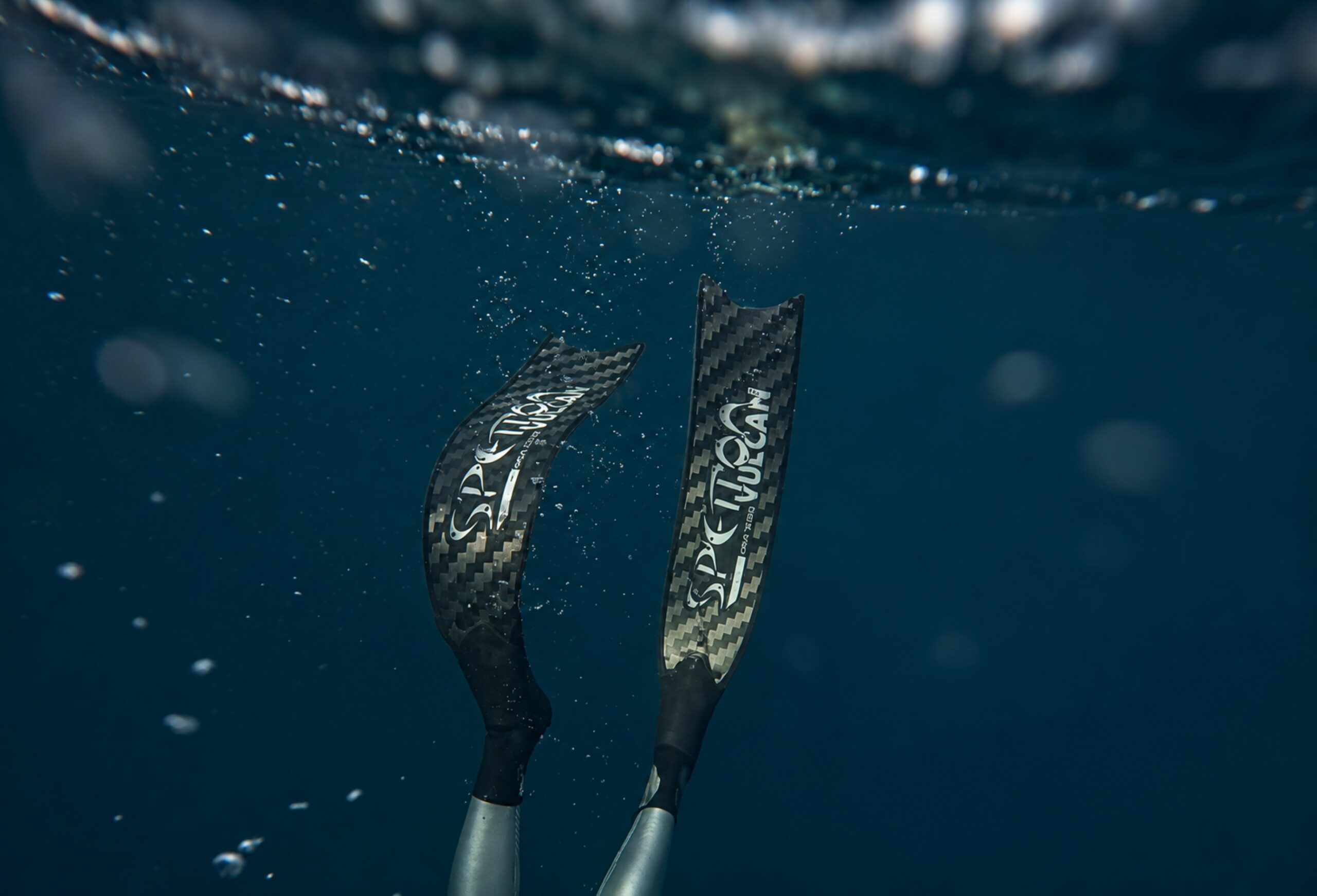
We have already presented the Spetton Vulcan fins time ago, with positive results and some doublts. The blade and the general performance were good, but the foot pocket and its connectionm to the blade did not convince us completely. The new Spetton Vulcan 2.0 HT spearfishing, and freediving, fins, instead, appear to be a great upgrade resulting a an amazing mix between performance and comfort which brings them to the top level on the market. Let’s analyze them and see the result of our testing in the water of Elba island.
New Spetton 3Five foot pocket
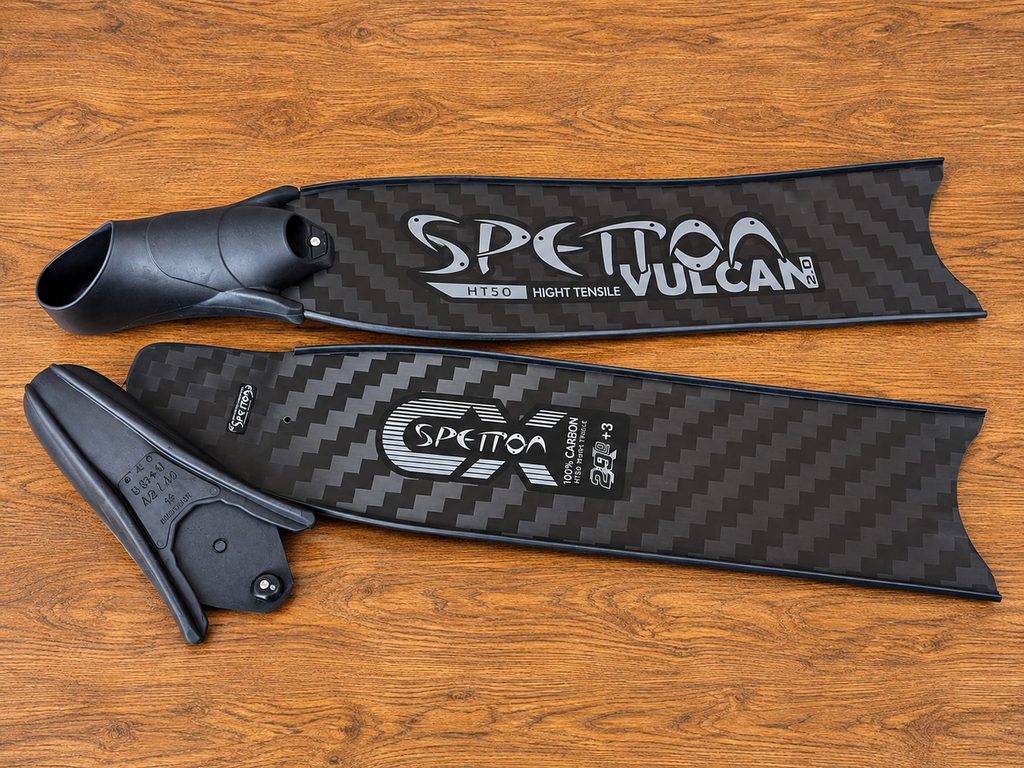
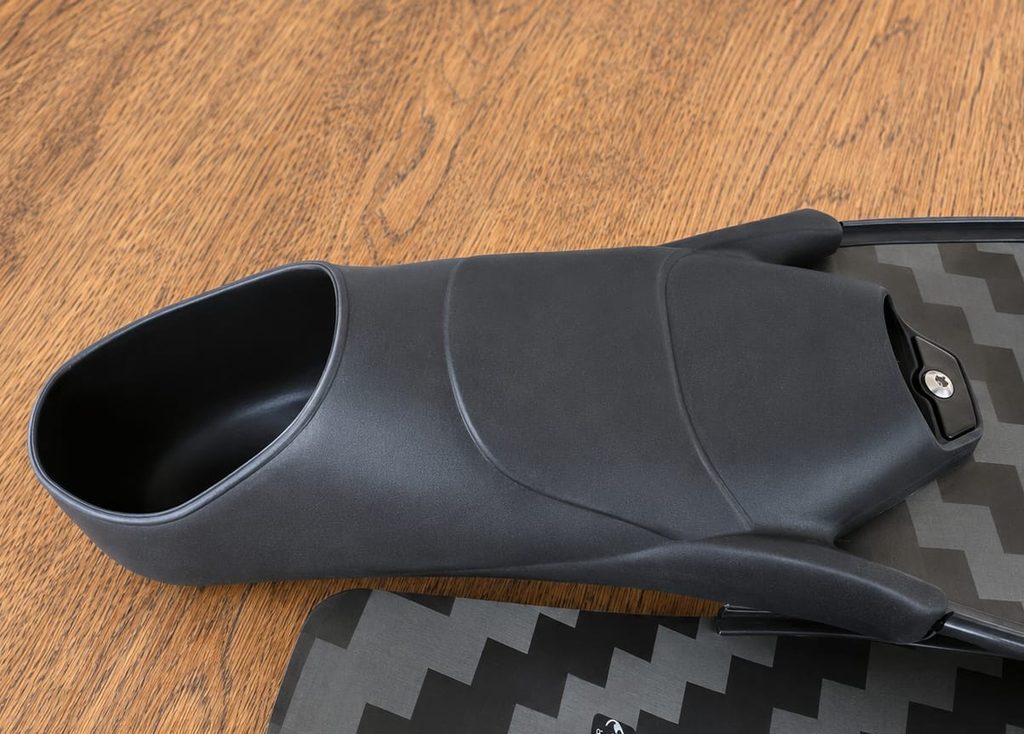
The new foot pocket is the Spetton 3Five, with very short side rails, a fast mounting of the blade and a single screw to block the connection. The foot pockets are extlemely light, and in size 42-43 v(8.5 – 9) they weight only 305 grams each. Excellent. They are made in synthetic rubber stiff enough to transmit the force from the foot to the blade, but not too stiff so putting them on is not too difficult. In the test, the process of wearing the fins was easy, but not extremely easy, but once the foot pockets were on, the comfort was at a top level. Sizes available are: 36/7-38/9 • 40/1 • 41/2 • 42/3 • 43/4 • 44/5 • 45/6 • 47/8.
The HT50 Twill carbon fiber blade
The unique material and use of the carbon fiber in the blades of the Spetton CX Vulcan 2.0 HT makes the difference. The HT50 (High Tensile strength) 24Twill (meaning 24.000 fibers per band) carbon fiber is utilized also diagonally with a unique solution. Not easy to apply, such solution determines a very high reactivity of the blade which, together with the perfect double parabolic curve, gives an unbeatable thrust, still limiting to the minimum any fatigue.
HT50 Twill top mechanical characteristics
According to Spetton, the producer of the HT50 Twill carbon fiber indicates the tensile strength of such material equal to 4900PMA, where “Tensile strength” is the maximum tensile stress a material can withstand before failure, expressed in MPa. The resistance to fracture is indicated 3.4 times higher than the one of a more traditional T300 carbon fiber, the elastic return 2.8 times higher and the energy absorbtion only 0.3 the one of the T300. According to these values the material used on the Spetton CX Vulcan 2.0 fins is definetely of top quality.
The angle of the blade is a very modern and advanced 29°, to which another 3° of angle are given by the preformuture of the Spetton 3Five foot pocket. Total 32° permit to have a correct kicking without stressing the ankles. The concave flap helps stabilize the fin.
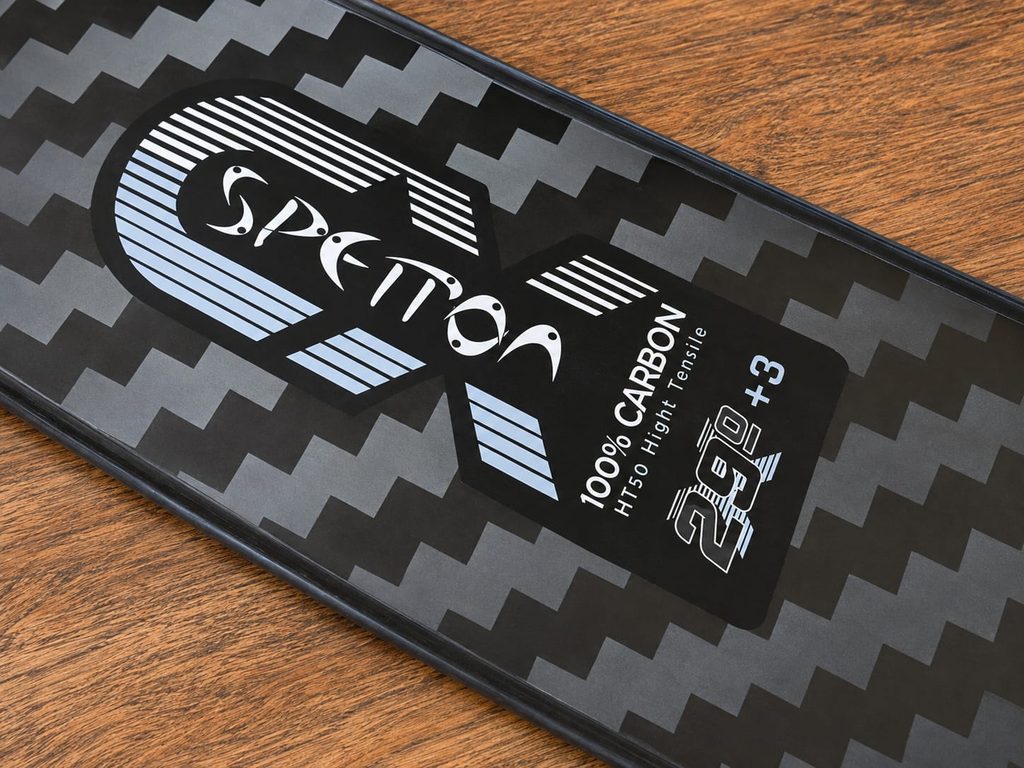
The weight of the single blade is 310 grams, which is also a low value, making the total weight of one fins equal to 615 grams. This is an important value, as such low weight can definitely help to feel the fins lighter on the legs and reduce fatigue.
The maximum width of the blade from water rail to water rail is 19.5 cm, while the length from the curvature under the foot pocket is 74 cm. The total length of the blade, interesting when one has to travel with the fins and dismantles them from the foot pockets, is 87 cm.
The test
Putting on the 3Five foot pockets
As anticipated already, the Spetton 3Five foot pockets are made with synthetic rubber of a quite rigid compound. This determines that putting them on is not immediate. It is important to insert the foot all the way down inside the foot pocket and only then lift its rear profile and insert the heel. As the compund is not very elastic, this process is easy but not extremely easy. Still, a little compromise when putting the fins on is absolutely acceptable to obtain a very comfortable fit, with no pressure on any part of the foot pocket, nor on the often critical instep, amd additionally have a perfect transmission of the force from the foot to the blade thanks exactly to the fact that the rubber compound does not deform eccessively. One fo the best solutions on the market indeed.
The feeling during the dive
We tested the Medium stiffness fins, but they are available also in Soft. The extreme reactivity of the blade is immediately perceivable already at the surface when moving the fins. The lightness is also useful especially in the duckdive, when the reduced weight really gives comfort to the legs and ankles.
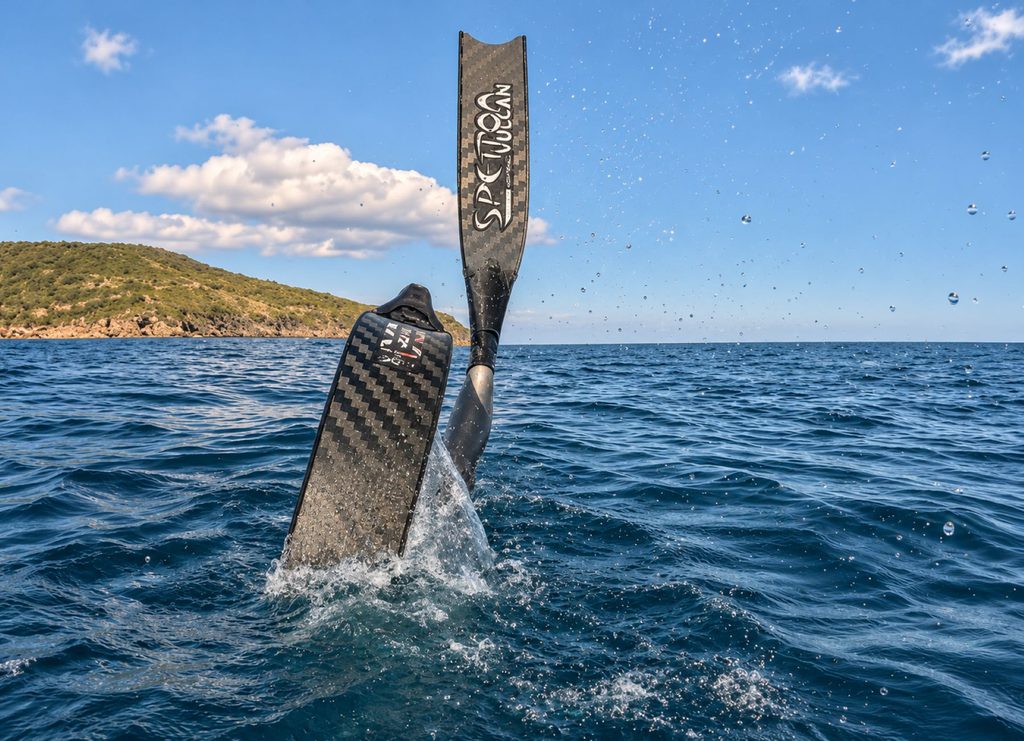
In the first kicks when we were very positive the Spetton CX Vulcan 2.0 HT fins produced an excellent thrust, probably one of the best on the marlet, still ensuring very little effort. This does not mean the feeling is of extreme smoothness, instead you can really feel the fins, the reactivity and somehow the nervousness of the blades, but all this happens applying minimal effort. The feeling during the kick is to have extremely efficient and performing fins, which can be fully apprecited by medium to expert divers, while they might be a little more tricky for beginners due, as said, to the high rectivity and some nervousness of the blades.
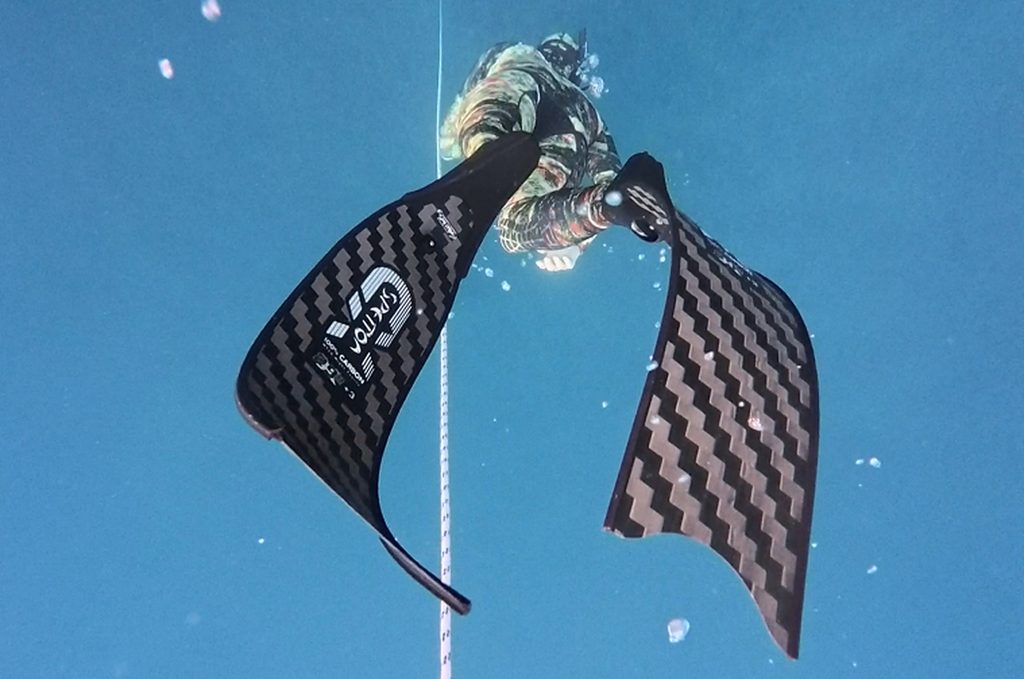
The restart from the bottom at around 20 meters in costant weight is amazing. Additionally, and this was not totally expected, as Spetton indicates the Vulcan particularly adapt for deep dives, the push during surface transfers is also excellent, making the Spetton CX Vulcan 2.0 a very versatile pair of fins.
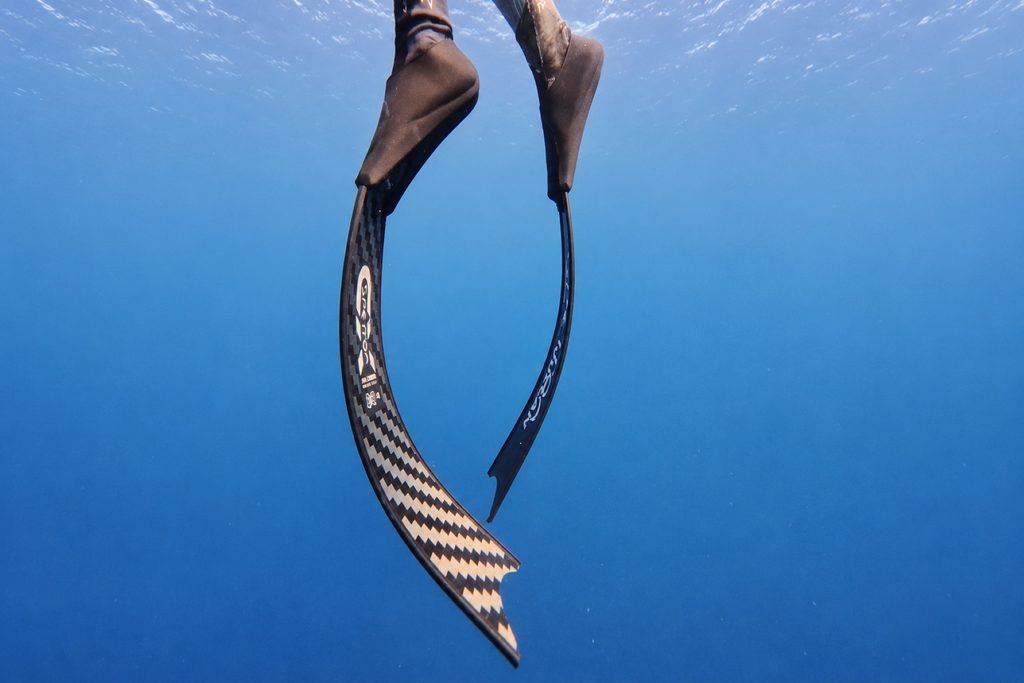
Focusing on spearfishing, also the change of direction underwater is very easy and affective. Another great aspect is that despite the high reactivity of the blades, these are very silent in every moment of the spearfishing action, even when changing direction suddenly, a key aspect to avoid scaring the fish.
Overall, the Vulcan fins deliver impressive power and comfort, thanks to their design and the quality of the carbon fibre. They come at a higher price than other fins in the Spetton range, but their performance and efficiency justify the premium.
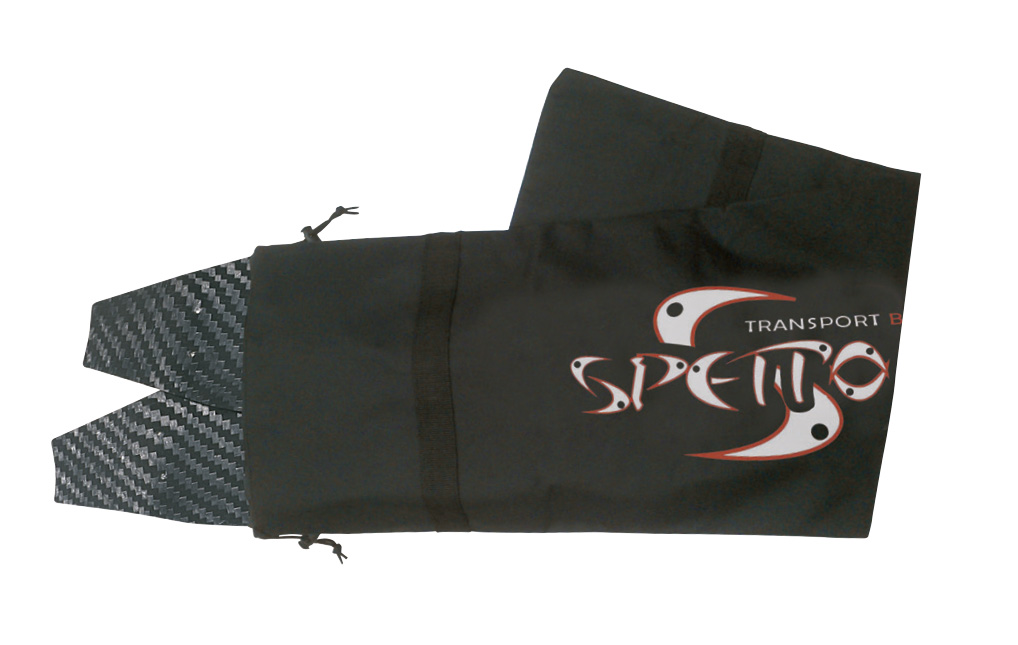
Good quality texture fins bag
The Spetton CX Vulcan 2.0 HT fins are offered with an included good quality fins bag of strung tecture, defintely useful to carry the Vulcan with us. Mounting and dismounting the blades from the foot pockets is the easiest solution on the market and very much appreciated. The single screw connection also reduced to one instead of two the holes at the base of the blade, which is definitely a better solution to avoid weakening too much such area. Still, a single screw is also a single locking point, so do check that it is well tight and eventually do add some threadlocker if it is not already present on the screw.